

G20
Quantum Cryptography and the State Dilemma: Who Will Control New Quantum Technologies
Simulation Model: Head of State
About the Topic
We are on the brink of an unprecedented technological revolution that threatens to reshape the global balance of power. With the rapid advancement of quantum computing, the moment is fast approaching when current cryptographic methods—which protect everything from the global financial system to sensitive intelligence data and critical government infrastructure—will become obsolete and easily decipherable. The root of this new international dilemma is not merely scientific, but deeply geopolitical: technological advancement is far ahead of regulation, creating immense vulnerability for cybersecurity and national sovereignty.
Against this backdrop of urgency, a new technological “Cold War” is taking shape. The central debate facing the international community centers on the control, monopoly, and risks of this technology.
On one hand, the world’s major powers are engaged in a silent, multi-billion-dollar race to achieve “quantum supremacy,” seeking to secure unquestionable military, economic, and espionage hegemony. On the other hand, there is an urgent need to establish global agreements to prevent this advancement from creating an insurmountable cyber divide between nations, leaving developing countries completely exposed. The great dilemma facing world leaders is this: will the future of quantum technology be dictated by an arms race and the state secrecy of a few, or regulated by treaties of cooperation and shared security?
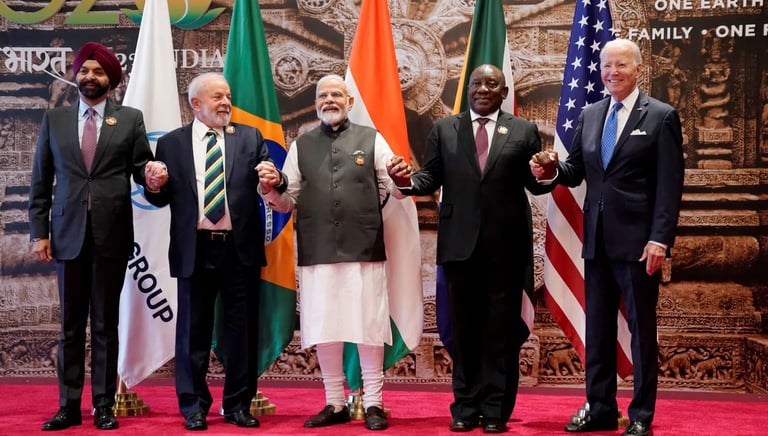
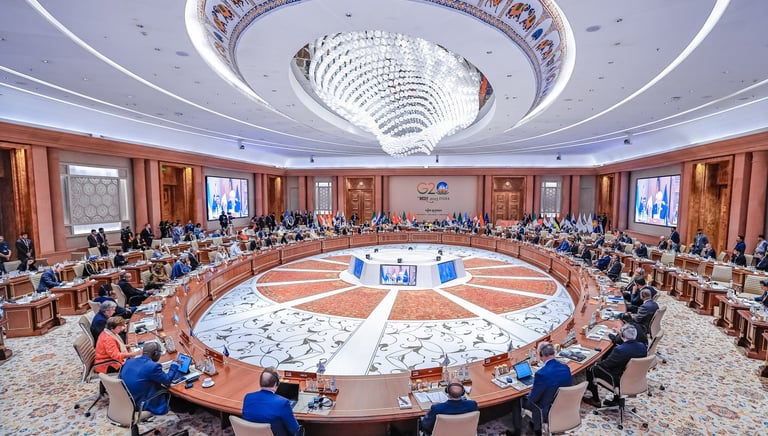
His role as Head of State
As your nation’s top leader on this committee, your challenge goes beyond domestic politics; you are playing on the global stage of high-level diplomacy and security. In a world where information and data are the most valuable resources, your stance and alliances will depend directly on the geopolitical clout and technological capabilities of the country you represent.
Positions in this debate will vary drastically. If you lead a superpower, your primary goal may be to protect your intellectual property, maintain the lead in the quantum race, and ensure that any international regulations do not hinder your progress or your hegemony. Conversely, if you represent a developing nation, your urgent mission will be to form strategic blocs to demand technology transfer, international cooperation, and guarantees that your country will not be at the mercy of espionage or digital exclusion.
Your ultimate responsibility will be to defend your state’s sovereignty. You will need to use all your diplomatic skill, negotiating power, and oratory to craft treaties, impose ethical limits, or forge cyber defense alliances. In your hands lies the responsibility to position your country securely within the new world order dictated by the quantum era.


Esther Bryce
Founder / Interior designer


Lianne Wilson
Broker


Jaden Smith
Architect


Jessica Kim
Photographer