
UNSC
The Multifaceted Crisis in Yemen: Systemic Humanitarian Collapse and the Shutdown of Global Maritime Trade in the Red Sea
Simulation model: Delegation
About the Topic
Yemen is today the epicenter of what is considered one of the worst and most complex humanitarian crises of the 21st century. Devastated by years of a bloody civil war between the government (backed by an international coalition) and the Houthi rebel movement, the country faces the total collapse of its infrastructure. Extreme hunger, disease outbreaks, and the destruction of hospitals have left millions of civilians dependent on international aid that rarely reaches its destination due to blockades and constant armed conflict.
However, this internal tragedy has spilled over its borders and struck at the heart of the global economy. With control of strategic areas, rebel forces have begun carrying out systematic attacks on merchant ships in the Red Sea and the Bab el-Mandeb Strait, one of the planet’s most vital trade routes. This offensive has paralyzed global maritime traffic, forcing vessels to divert their routes, driving up freight costs, and threatening the international supply of energy and consumer goods.
The United Nations Security Council thus finds itself facing an explosive impasse. The central debate revolves around how to intervene to restore the safety of international navigation and protect the global economy without simultaneously exacerbating the suffering of the Yemeni population. Will authorizing direct military interventions against the rebels bring peace to the region or merely ignite an even larger regional war? How can safe humanitarian corridors be guaranteed amid bombings? The committee will need to balance the urgency of international capital with the responsibility to protect civilian lives in a territory in ruins.
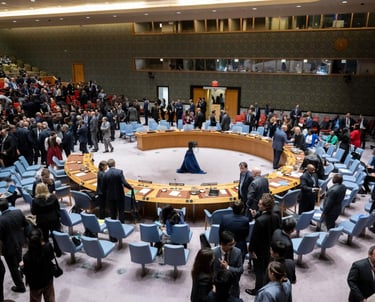
Your role as a Delegate
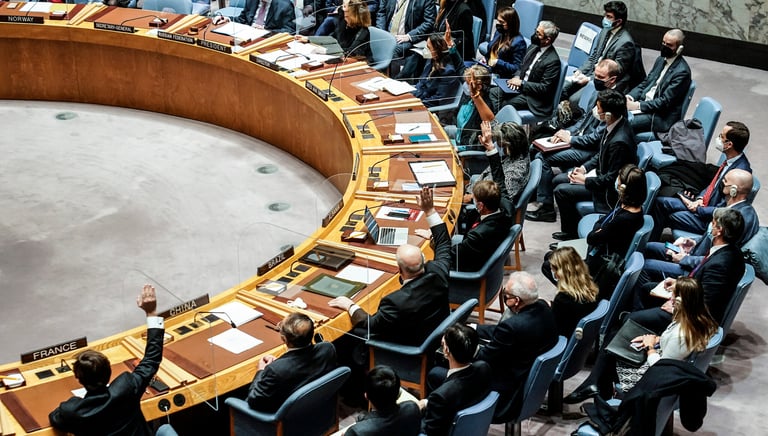
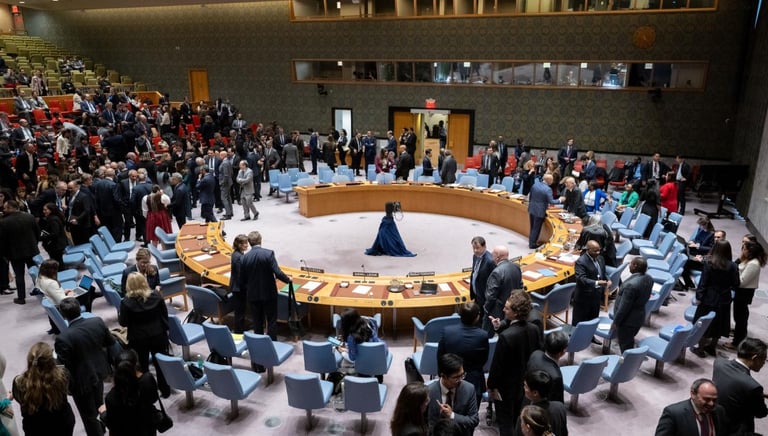
In the Security Council (UNSC), diplomacy reaches its highest and most tense level. Unlike other UN bodies, the resolutions adopted here have the force of international law and are binding, and can authorize everything from severe economic sanctions to the legitimate use of military force. For this reason, every word negotiated carries immense weight.
The dynamics of this committee, however, are marked by a profound asymmetry of power. The key distinguishing feature of the UNSC is the presence of the P5 (the five permanent members): the United States, Russia, China, France, and the United Kingdom. Unlike the other 10 rotating members, these five powers hold supreme authority within the council: the Power of Veto. This means that a single negative vote from any P5 member is enough to completely block a resolution, regardless of whether all 14 other countries voted in favor.
If you take on the delegation of a P5 country, your role will be to set the boundaries of the debate. You will use the threat of the veto as a negotiating tool to protect your nation’s geopolitical allies in the Middle East and ensure that no intervention harms your strategic and commercial interests.
If you represent a rotating member, your challenge will be one of masterful diplomacy. You will need to build near-impossible consensus, draft proposals that please (or at least do not offend) the P5 giants, and act as the voice of reason and diplomacy to prevent the political paralysis of the major powers from costing the lives of more Yemeni civilians. The UNSC is a high-stakes game of chess, where diplomacy and military force go hand in hand.


Esther Bryce
Founder / Interior designer


Lianne Wilson
Broker


Jaden Smith
Architect


Jessica Kim
Photographer